Welcome to the Autospeed Blog. Use of this site must adhere to our terms and conditions.

The new Falcon? Mostly irrelevant…

Posted on February 18th, 2008 in Driving Emotion,Ford,Opinion by Julian Edgar

FPV’s new GTYesterday Ford took the wraps off the new FG Falcon.

New Australian developed and built cars come along only very rarely; Ford took the unusual step of releasing the car on a Sunday so that it could gain precious free airtime on the Sunday night TV news and in the Monday papers.

Away from my home base, I watched the Sunday night Channel Nine TV news in Adelaide with interest. How breathlessly and non-critically would they report the release of the new car?

The report was relatively short but it was what followed that had me gobsmacked.

fg-falcon.jpgImmediately after the report on the Falcon finished, the Nine news moved straight to a segment on the booming sales of the hybrid Toyota Prius, and the way in which some individuals are now converting their cars to battery electric power. The station interviewed several Sydney electric car enthusiasts and presented a glowing report on the cars. Phrases like ‘fuel economy’, ‘greenhouse gas emissions’ ‘oil consumption’ and ‘cost to run’ sprinkled the report.

The juxtaposition couldn’t have been a bigger slap in the face for Ford: even the dimmest viewer could not have missed the implicit comparison.

Today, on the Monday after the Falcon’s release, my emailed News.com.au update doesn’t have a single mention of the new Falcon.

Imagine how different the news reports would have been if Ford had released a car with breakthrough fuel economy and lower greenhouse gas emissions. A turbo diesel engine, or a downsized six cylinder turbocharged to gain efficiency.

Instead we have launch control – and even more power, torque and weight. Oh yes, and a fuel consumption improvement that is nominal to say the least.

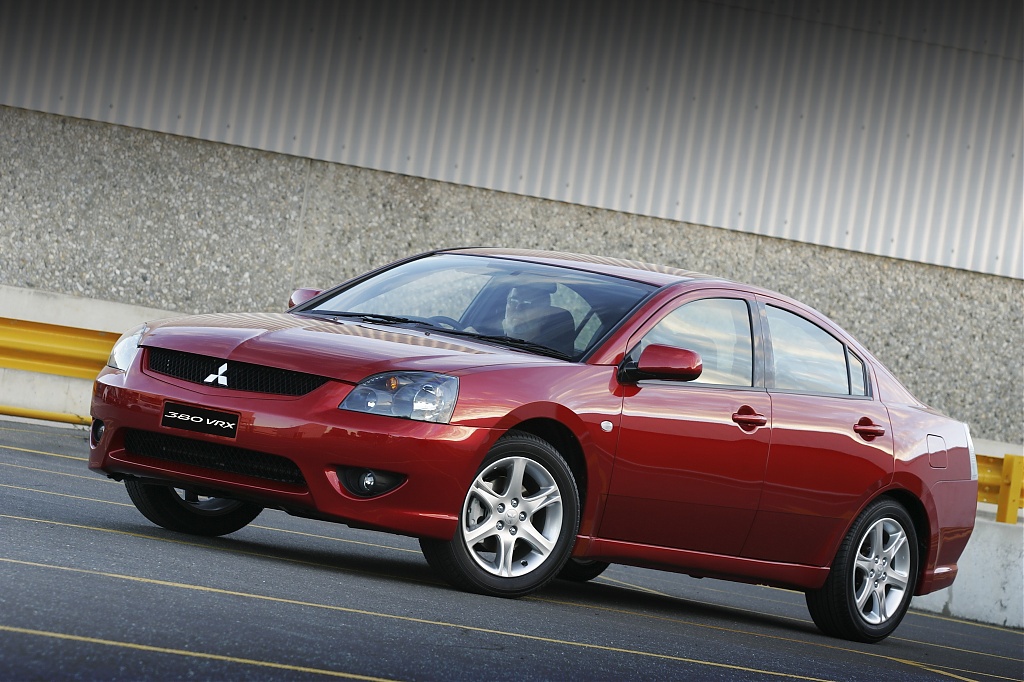
It’s very hard to believe that the Falcon will not go the way of the Mitsubishi 380 – and for much the same reasons. High quality engineering directed in completely the wrong direction, aiming at a target that started to move a decade ago and has now gone…

(See also this blog)

Protecting tools

Posted on February 12th, 2008 in Driving Emotion by Julian Edgar

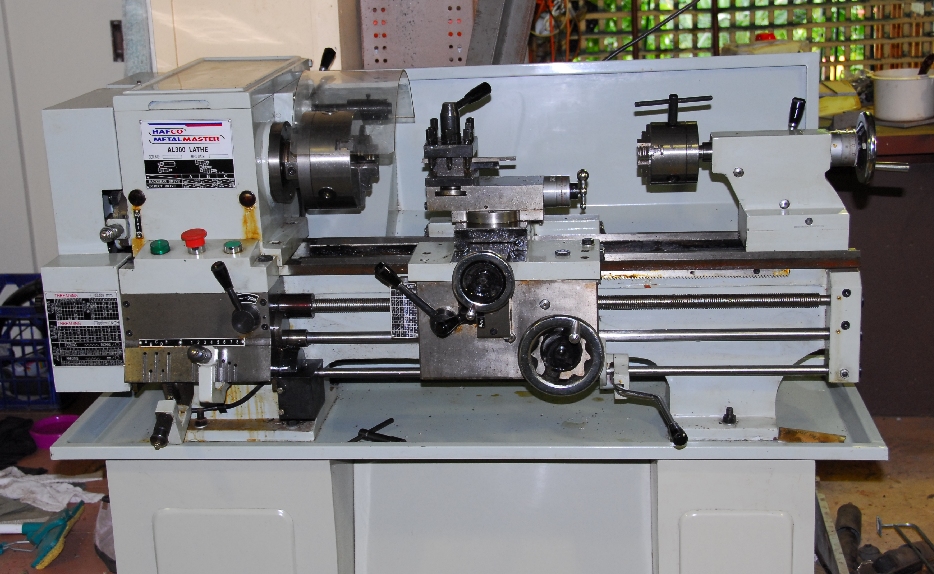
oiled-lathe.jpgIf you live in an area that has a hot, wet summer, you’ll be all too familiar with the nightmare of tools rusting.
That’s especially the case if you have machine tools that have unprotected ground surfaces – like the bed of a lathe or a milling table. But even low-priced tools like drill presses have unprotected columns and chucks.

Leave the tools for a few weeks in these climatic conditions and you’ll find a veneer of surface rust. Leave them for a month or two and the rust will have started to bite into the surfaces.

The problem is even greater if you’re not using the tools on a daily basis. The more often you use the tools, the more likely that there will be oil and other lubricants being applied, so protecting the surfaces from corrosion.

It’s Mitsubishi’s own fault

Posted on February 6th, 2008 in Automotive News,Mitsubishi,Opinion by Julian Edgar

380-image.jpgSo Mitsubishi’s Adelaide car manufacturing plant is to close. The Mitsubishi 380, the large sedan released in 2005, has proved to be a flop.

Now, and over the next few months, there will be a prolonged post mortem, analysing the reasons why the car failed. Already, I’ve seen statements excusing Mitsubishi Motors Australia from culpability for its failure.

But to anyone not wearing rose-coloured glasses, manufacturing by Mitsubishi in Adelaide has been doomed since the very day of the 380’s release. The company – perhaps driven by their masters in Japan – made the atrocious decision to build and release a car that had no market.

And this is not a retrospective, wise after the event, summary.

Expensive tyres?

Posted on February 5th, 2008 in Driving Emotion,Handling,Tyres by Julian Edgar

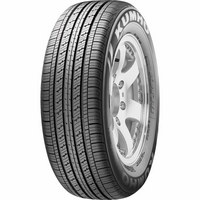
kh18.jpgI am starting to wonder how much people should spend on tyres.

Years ago, when I owned a Subaru Liberty RS, I bought a set of sticky track tyres of the type that were only just road legal. They gripped phenomenally well, even in the wet. Given the minimal tread depth, the latter was a real surprise to me.

And at other times I have also bought other very expensive tyres, largely being guided by brand name and word of mouth.

But now I am not sure that on cars of less than stratospheric performance, it’s worth spending a lot of money on tyres. Instead, I am starting to think that if there are problems with handling, the money should be spent on the suspension instead.

Power and torque

Posted on January 29th, 2008 in Hybrid Power,Opinion,Power,Turbocharging by Julian Edgar

torque-curve.gifThe (repeated) articles that we’ve recently run in AutoSpeed on power and torque are vital to understanding how to make your car go harder.

(The series can be found at Power vs Torque Part 1 –  and Power vs Torque Part 2)

And why is this understanding vital? Simply because people who use the terms ‘power’ and ‘torque’ often don’t seem to really understand what the words mean. The vital point to realise is that engine power is worked out by multiplying torque by revs.  And that’s the only way that power is worked out!

So an increase in torque at – say – 2500 rpm will mean a proportional increase in power also occurs at 2500 revs. It’s therefore just plain stupid to say “there wasn’t any change in the power curve but we got an increase in mid-range torque…” as some manufacturers of performance equipment state.

Trailers that drink fuel

Posted on January 22nd, 2008 in Driving Emotion,Economy,Peugeot by Julian Edgar

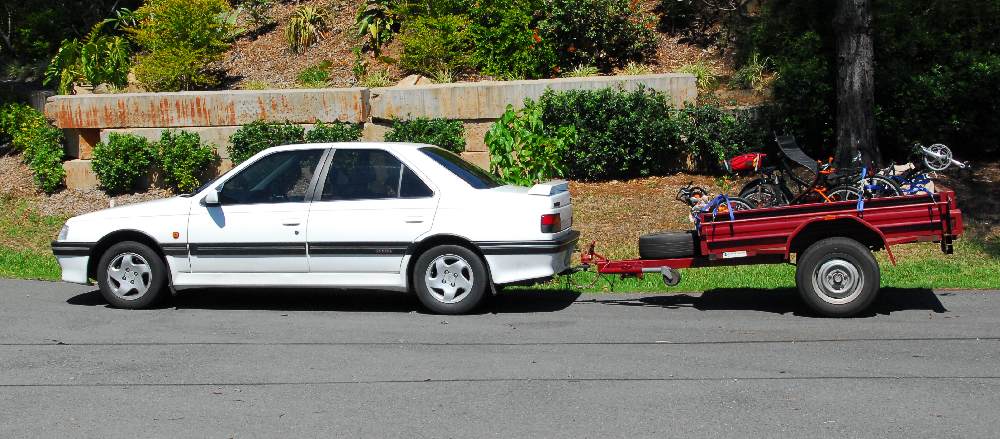
pug-and-trailer.jpgMost cars that I have owned have had tow-bars – if they’re not on the car when I buy them, I have them fitted.

So the EF Falcon and Lexus LS400 both had towbars. And, as you’d expect with those cars’ mass and power, both towed very well. On one occasion the Lexus towed a camper trailer, and it very often towed my 6×4 steel trailer. The Falcon towed the 6×4 and once a car-carrying trailer (loaded with a large work bench frame).

So when both of those cars had gone to new owners and I bought the Peugeot 405 diesel, I was pleased to see it had a towbar.

I didn’t – and don’t – expect to be towing big trailers; instead, my 6×4 will be the one usually hung on the back. Trips to the local tip, trips to pick up furniture, carrying around recumbent trikes – things like that.

But as a tow-car, the low-powered and light Peugeot is a very different kettle of fish to the Lexus and Falcon. For starters, the lack of ultra-low rpm torque (when the 1.9 litre diesel is yet to come on boost) makes it very hard to climb my very steep driveway with the trailer on the back. In fact, to do this, I need to thoroughly warm the engine and launch with a lunge at the slope. 

Once on boost, the mass of the trailer doesn’t cause much of a problem; performance is clearly down but with decent driving, it’s no drama.

But one aspect of the Peugeot as a tow car amazes me. And what’s that?

The fuel consumption!

The presence of the trailer makes a radical difference to have much diesel the Pug drinks. Even with the trailer empty, consumption is up by 20 – 30 per cent. One reason for this is that the trailer adds about 25 per cent to the mass; another reason is that the trailer is much less hidden in the aerodynamic wake of the smaller car.

Clearly the idea that towing a trailer increases fuel consumption is not something new.

However, as more people drive cars like hybrids (incidentally, no Prius is factory certified for a tow bar) and smaller engine diesels, trailers designed with more than utilitarian cheapness may become attractive. A smaller, light-weight and aero-shaped trailer would, I’m sure, make far less difference to the Peugeot’s towing fuel consumption…

All Those Technological Breakthroughs…

Posted on January 15th, 2008 in Driving Emotion,Opinion,Technologies by Julian Edgar

Every month or so we get emails from a readers suggesting that we take a look at a new engine design that’s been developed by a tiny company or even a single person. The reader sends a URL and the website invariably lavishes praise on the new concept, describing how it develops a greater specific power / better specific fuel consumption / is cheaper to build / etc.

However, I very seldom go ahead with a  story – in fact, the only one I have ever done was this one. But if we’re interested in covering breakthrough automotive technology, why wouldn’t we want to run every such story we can find?

The short and brutal answer is that 99.9 per cent of these ‘breakthroughs’ are failures. To put that ratio another way, we could run 1000 stories and maybe only one of those would prove to be on something that is commercially and successfully built.

I am well aware that innovators and inventers will complain that a lack of media coverage is part of the very reason for that lack of success. And I accept that point. But in an automotive technology magazine, the very first requirement for exposure is that the engine (or whatever ‘breakthrough’ it is) be installed in a car that can be driven. That’s why we covered the Scotch Yoke engine – one of the test beds for the engine was a registered and driveable Subaru Liberty sedan. (In a different way, that’s why we’re also happy to cover home-built electric cars – they can be driven.)

While of course dyno testing of power, torque, emissions and fuel consumption are a vital part of a new engine development, the performance the design achieves in the real world seems fundamental to any assessment.

The other reason that very few stories of this type of appear is that when small companies have real breakthroughs, they tend to keep it very quiet. Instead of having media interviews, they’re dealing in closed boardrooms with large companies, selling intellectual property licensing.  One example is the Kinetic Dynamic Suspension System (KDSS) – originally developed by Australian company Kinetic – fitted to the current Toyota Landcruiser.

On the other hand, major car and component supply companies often release detailed information on forthcoming designs. While some of these breakthroughs never go into production (or their long-term success is less than stellar) the ‘hit’ rate is not 1 in a 1000, but more like 900 in a 1000!

It would be a very brave or stupid person who suggested that major design breakthroughs are the province only of major companies, not individuals working on their own. However, in things automotive, I suggest that apparently groundbreaking new technology will be taken much more seriously if it can be convincingly demonstrated in a vehicle that journalists can drive and test.

Well, that applies for this journalist anyway!

How much (electric) power is needed?

Posted on January 8th, 2008 in Aerodynamics,Economy,electric,Opinion,Power by Julian Edgar

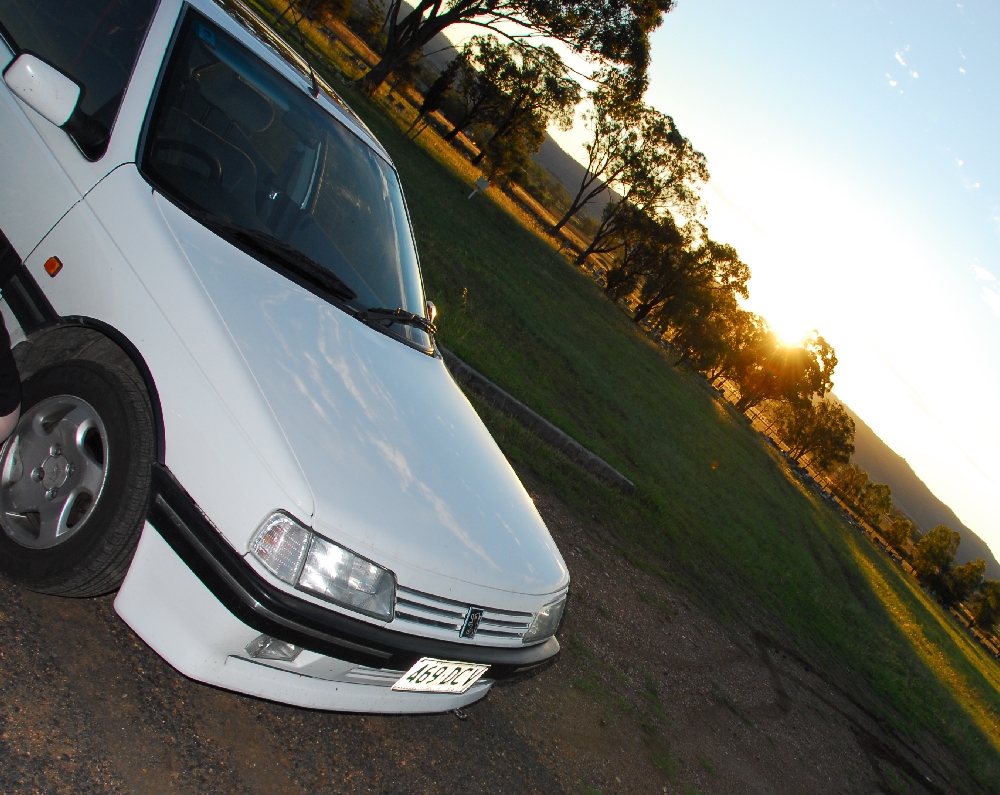
pug-trip.jpgA while ago I attended an electric car show held in Sydney. I made the 2000-odd kilometre trip in my Peugeot 405 diesel, a car that, incidentally, gained high Fives (in litres/100km) for the trip.

At the show I briefly sampled three of the home-converted electric cars – a very interesting experience. And on the long drive home to the Gold Coast, I had plenty of time to reflect on these cars.

The electric cars I drove each retained the original gearbox: the electric motor was bolted up to the ‘box and the ratios could be selected by the driver. Typically, the cars were started off in second gear and then third and fourth and fifth gears were used as appropriate. (I used first gear off the line and felt an immediate gain in starting performance.)

But none of the cars I drove had performance that came close to conventional petrol engine (or even commercial hybrids). Even when the electric motor was rated at a higher power than the original engine, the massive weight of batteries substantially dulled the resulting power/weight ratio.

Putting in a more powerful electric motor (or running two electric motors) would of course help solve that, but at the expense of greater electrical power consumption that in turn would need either more batteries or result in a shorter range (and none of the ranges were very good to start with!). However, all the cars could easily exceed the 110 km/h open-road speed limit.

Clearly, what is needed is an electric motor that has only enough power to do the job – but no more.

Chassis Design

Posted on January 8th, 2008 in Driving Emotion,Materials,Opinion by Julian Edgar

Imagine you were living in the late 1930s (and of course, a very small number of you may well have been!). Then, as now, cars had four wheels, a body, engine, suspension and brakes. But they often had something else as well – a chassis.

Nowadays, nearly all cars use monocoque construction, where the pressed steel body provides the required stiffness. The main exceptions are traditional off-road four-wheel drives and trucks and buses – these vehicles still largely use a separate chassis. A few bespoke cars also use non-monocoque construction; for example, a tubular space frame.

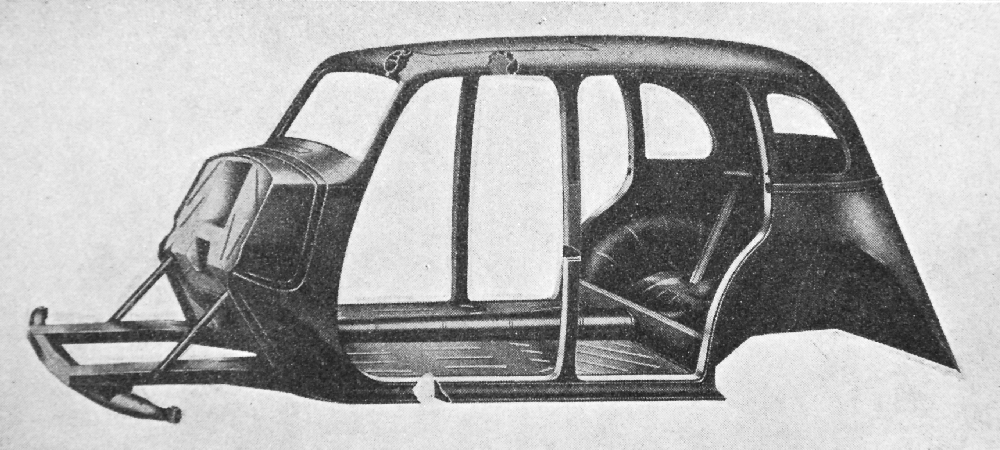
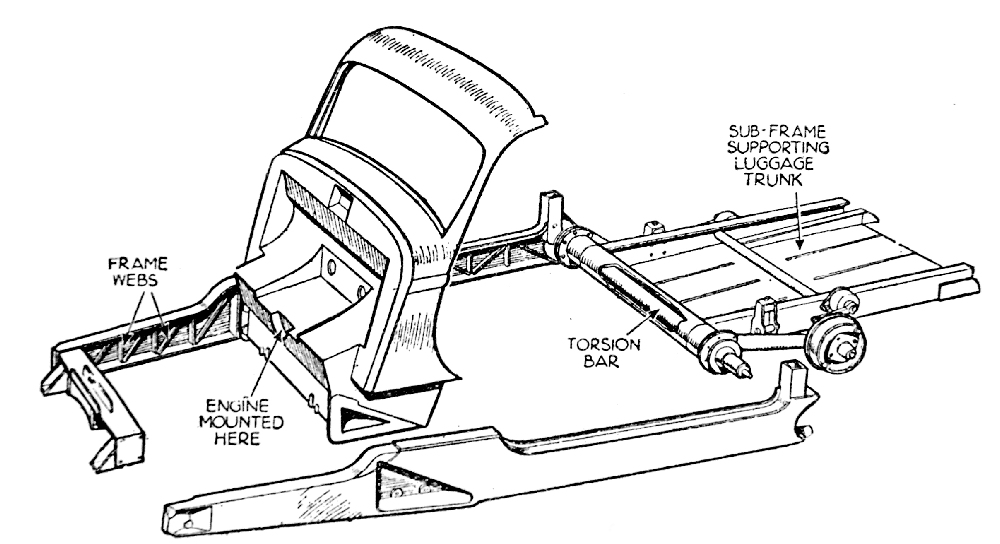
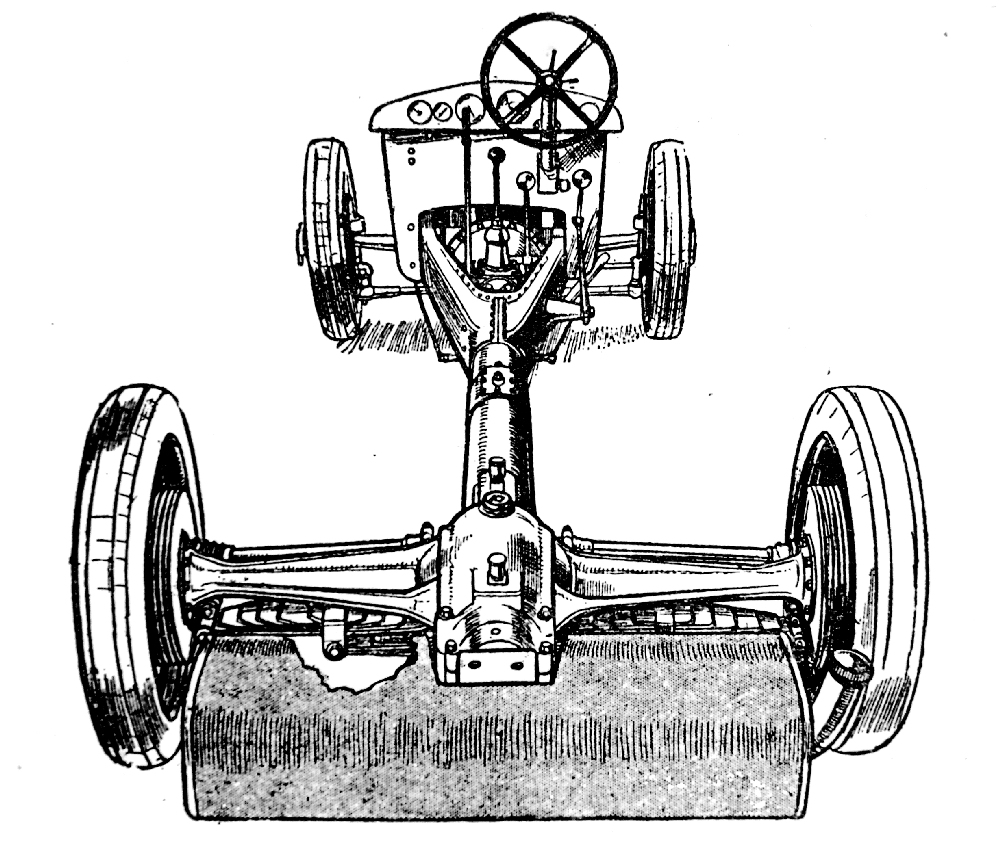
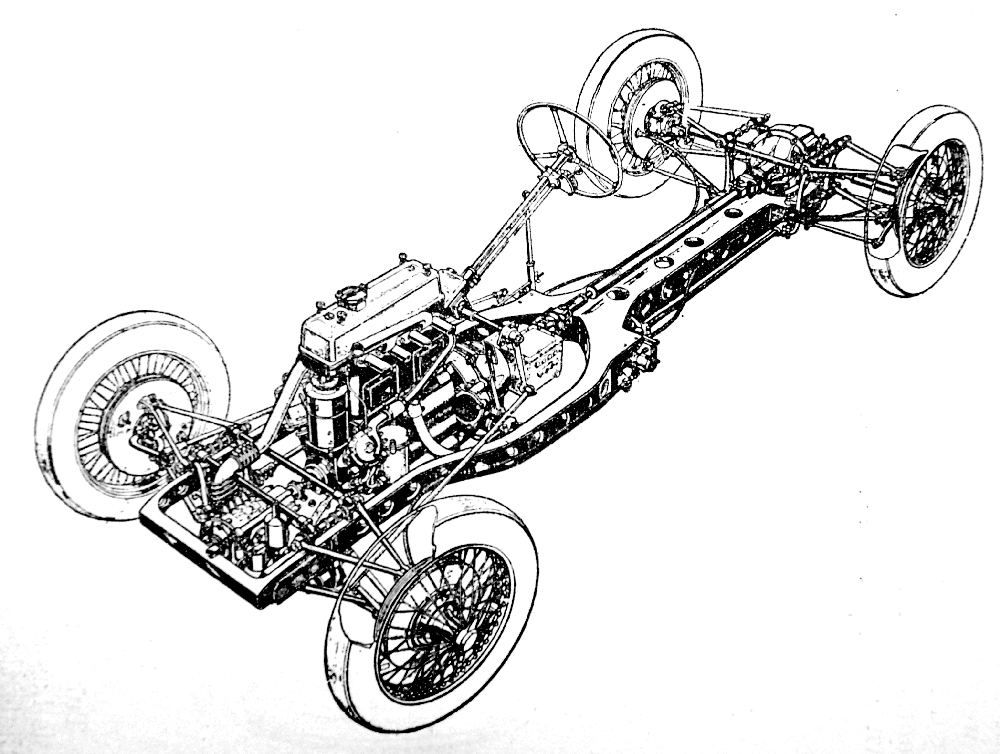
But even in the late 1930s, you could have seen plenty more designs that just a traditional chassis. Have a look at these – all are taken from The Mechanism of the Car, written by Arthur W Judge and published in 1939.

vauxhall.jpgFirstly, we have monocoque (or unitary) construction. This Vauxhall retains a separate bolt-on chassis for the front suspension and engine mounts, an approach common in cars up to the 1970s.


amilcar-1.jpgBut then we have the cast aluminium frame. What?! Yes, a car being sold in 1939 (the Hotchkiss Amilcar) used a frame formed from cast aluminium members bolted together.


amilcar-2.jpg
Here’s how the cast alloy frame integrated itself into the car.


austro-daimler.jpgThen there was the tubular frame, as used by Austro-Daimler. The very large diameter central tube would have given both high bending strength and also resisted torsion.


mg.jpg
And finally, we have a car that’s absolutely intriguing – and one I’d never heard of before. It’s simply listed as the ‘MG Racing Car’ and uses a backbone chassis formed from pressed, welded plate. The car also features double wishbone suspension front and rear – perhaps the first car to ever do so.

I think that these drawings are worth looking at closely (you can click on them to enlarge). In mechanical car design, there’s very little new under the sun…

  • » Comments Comments Off on Chassis Design

AutoSpeed in 2008

Posted on December 17th, 2007 in Driving Emotion,Opinion by Julian Edgar

This is my last blog post for this year: new posts and AutoSpeed articles will both resume January 8.

So what have we got planned for 2008?

Firstly, the new editorial approach that we’ve taken in the last 12 months or so will be strengthened and consolidated. In short, that’s a move that is in keeping with the rapidly changing times. 

Consider these points:

• Countries are now seeking to isolate themselves from the volatile politics of world oil by embracing alternative automotive fuels like ethanol, CNG and LPG. Sovereign energy self-sufficiency is of greater political and strategic importance now that at any time since World War II.

• The increasingly solid evidence being presented by scientists for global warming is making a huge impact not only at the ballot box but also in big company boardrooms around the world. Decreasing energy consumption – and so fossil-fuelled CO2 emissions – is likely to become the watchword for all human activities, including transport.

• Tightening legal restrictions on driving fun are already all around us. Having a modified road car with enormous power is becoming an increasingly silly aim, suitable only for dyno boasting competitions. On the other hand, having a frugal, responsive, good handling and technically advanced car is as rewarding as it has ever been.

• The car manufacturing industry is in its time of greatest philosophical change since the 1930s. Hybrid petrol-electric cars are now being actively developed and/or marketed by every major car company in the world. That represents an incredible change in just the last 5 years. With the legislated clean-up that’s now also occurring with diesel engine emissions, it’s quite easy to envisage a situation where, world-wide, traditional petrol engine cars will be in the minority of new cars.

In the context of these points, to keep on running articles about 350kW supercharged V8 modified road cars and the like is not only short-sighted, it does you all a disservice.

(On a personal level, this is an almost exact re-run of what was happening when I first started automotive journalism. Then, about 15 years ago, engine management was being introduced on all new cars. And, with that development, oh boy, was the automotive world ever changing! But at the time, nearly every modified car magazine continued writing about engines with carbies and points. It took years before the modified car media embraced the changing technology. But anyone with half a brain could have seen the writing was on the wall for the old technology, and that encouraging readers to stick with outdated ideas was doing them no favours.)

So for AutoSpeed, huge, thirsty and enormously powerful modified engines are out – we won’t be covering them.

But articles on techniques that improve car and engine efficiency – aerodynamics, turbocharging, intercooling, intakes, exhausts, headwork, tyres, suspension and brakes – are right on the money. Especially if those techniques are talked about in the context of cars that are already highly efficient….

We’re also really excited about another development for the coming year. Why? Well, we’re going to be presenting stories on a whole bunch of new electronic modules dedicated to do-it-yourself car modification.

Long-time readers will be familiar with the electronic kits developed by me in conjunction with Silicon Chip magazine and sold by Jaycar Electronics, but the new modules will be better again. So how will they be better? In short:

• They won’t be kits but instead be fully built and tested circuit boards, ready to be connected and then put in a box or simply wrapped in heat-shrink and placed up under the dash.

• They will be able to directly drive big electrical loads like fuel pumps, solenoids, radiator fans and the like. Or, if required, they will be able to operate relays or switch LEDs or warning lights or buzzers.

• Taking into account their high functionality and fully built status, they’ll be very cheap.

• They’ll be small, near-impossible to kill and be very simple to wire into place and set up.

The brain behind the electronics is eLabtronics, the company with which we developed the Intelligent Intercooler Water Spray Controller some 8 years ago. That product, still available, combines intercooler temperature and engine load sensing with a predictive ability that allows the intercooler spray to actually come on before it is even needed!

This time we approached eLabtronics with a proposition that they’ve very happily taken up – to build a single electronics module that can be software developed to have a myriad of different functions. By standardising the hardware, eLabtronics can make the product in greater numbers, bringing down prices. And by using software reprogramming to produce different modules, the designs can still be fully optimised for their particular functions.

We doubt that there will be any kind of modified car anywhere that can’t make good use of one (or more) of these planned modules.

And finally, in 2008 we’ll be making some major changes to the website. We’ll be introducing much greater facility for reader interaction (including with other readers); opening-up AutoSpeed to easy access by far more people; enabling easier content searching and linking; adding some more features and generally streamlining the site for better use by you.

As we’re fast heading for our tenth anniversary, I want AutoSpeed to keep being innovative, occasionally provocative, relevant and useful.